The Many Moods of a Coffee House: Designing for Everyone, Not Just One
Coffee house design isn’t about picking a vibe. It’s about making space for everyone. See how thoughtful layouts support connection, comfort, and real life.
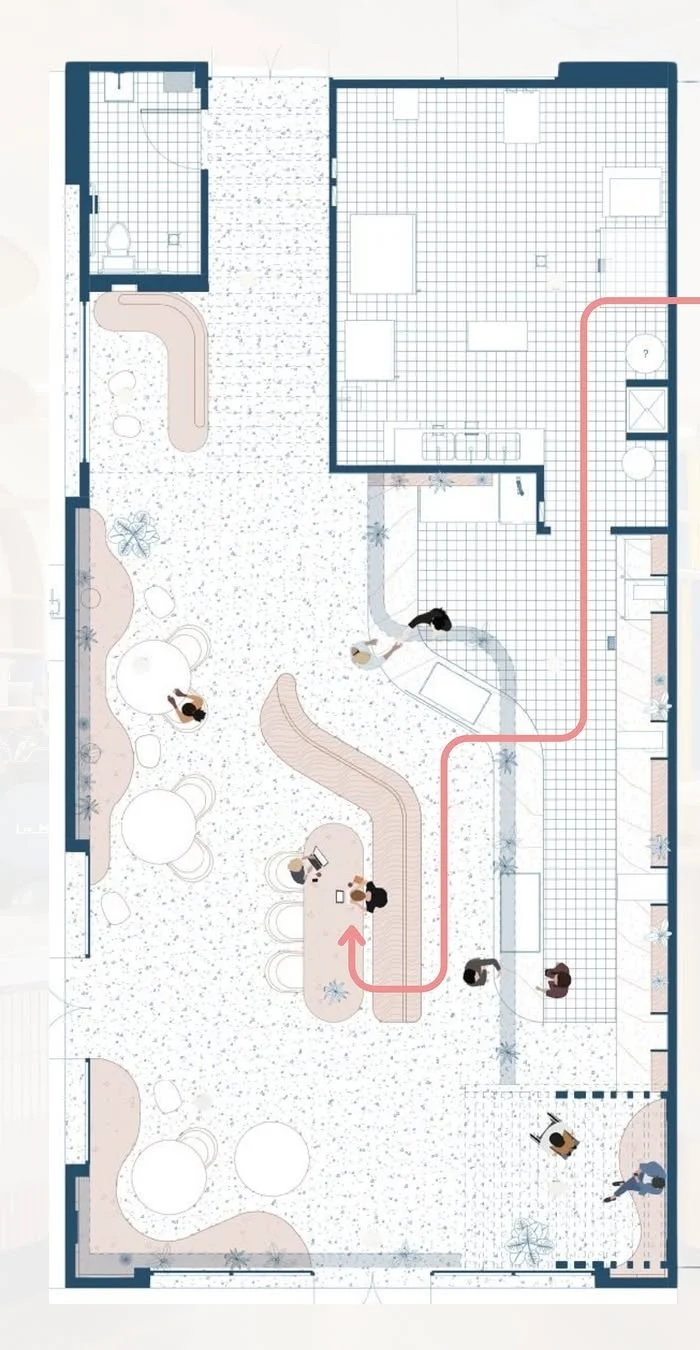
You can’t design for just one type of guest.
So we don’t.
Hospitality design is often reduced to “vibe.” Cozy. Minimal. Industrial. Warm. Cool. Trendy. Timeless. But real cafés don’t operate on a single emotional setting. They’re not one-note spaces, and the people who use them aren’t one-dimensional.
A coffee house on any given day hosts a full cast of characters: the person who’s been nursing the same latte for three hours, the parent maneuvering a stroller with one hand, the espresso purist who just wants a perfect shot and a quiet moment, the remote worker balancing twelve tabs and two deadlines, the friend group catching up after too long apart.
Designing for just one of those people is easy.
Designing for all of them at once? That’s where it gets interesting.
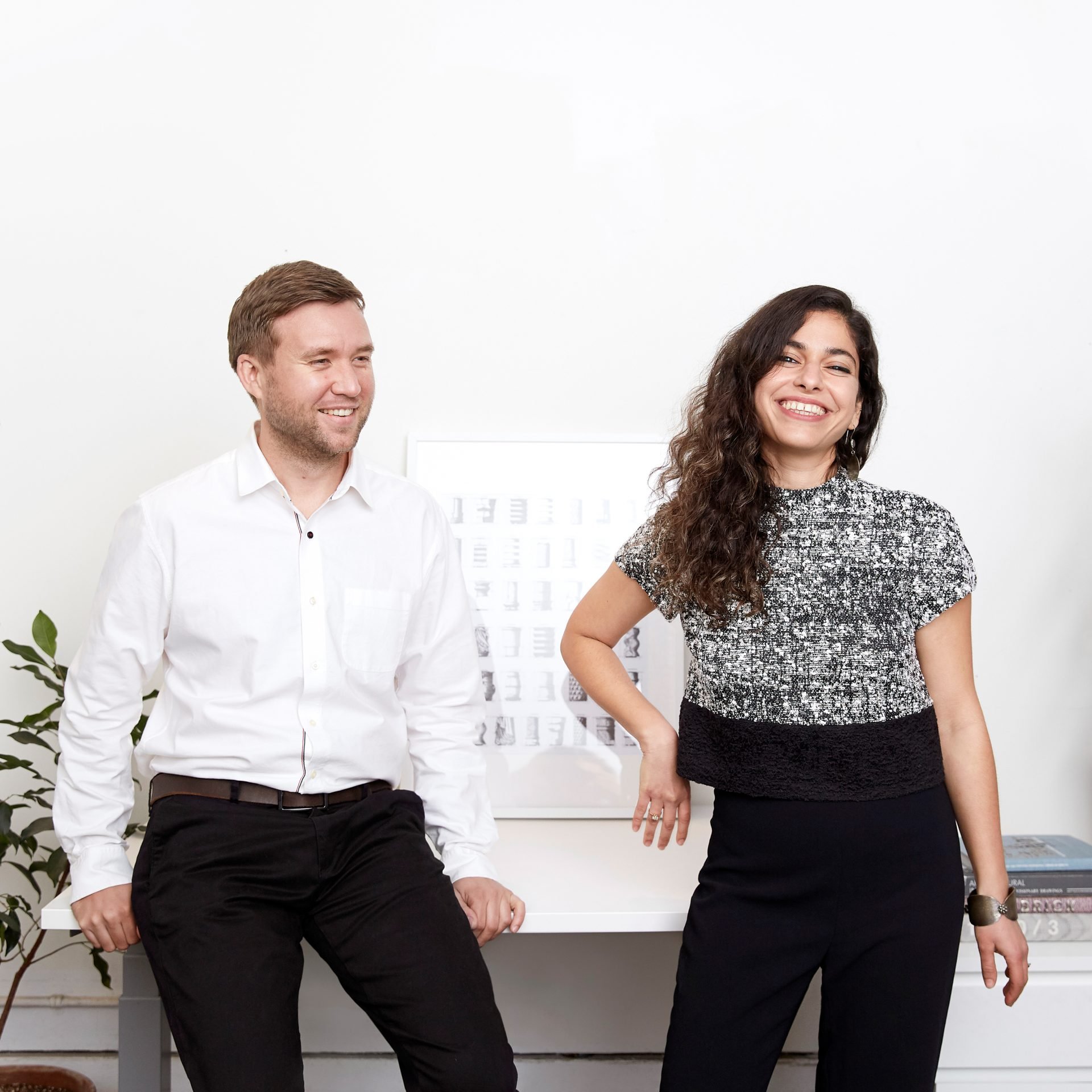
We’re Studio BANAA, an architecture and design firm in San Francisco that has been imagining and designing creative hospitality spaces since 2015.
Contact our team to get started with your complimentary predesign and feasibility study. Get started on your business that will actually work for you, your team, and your customers.
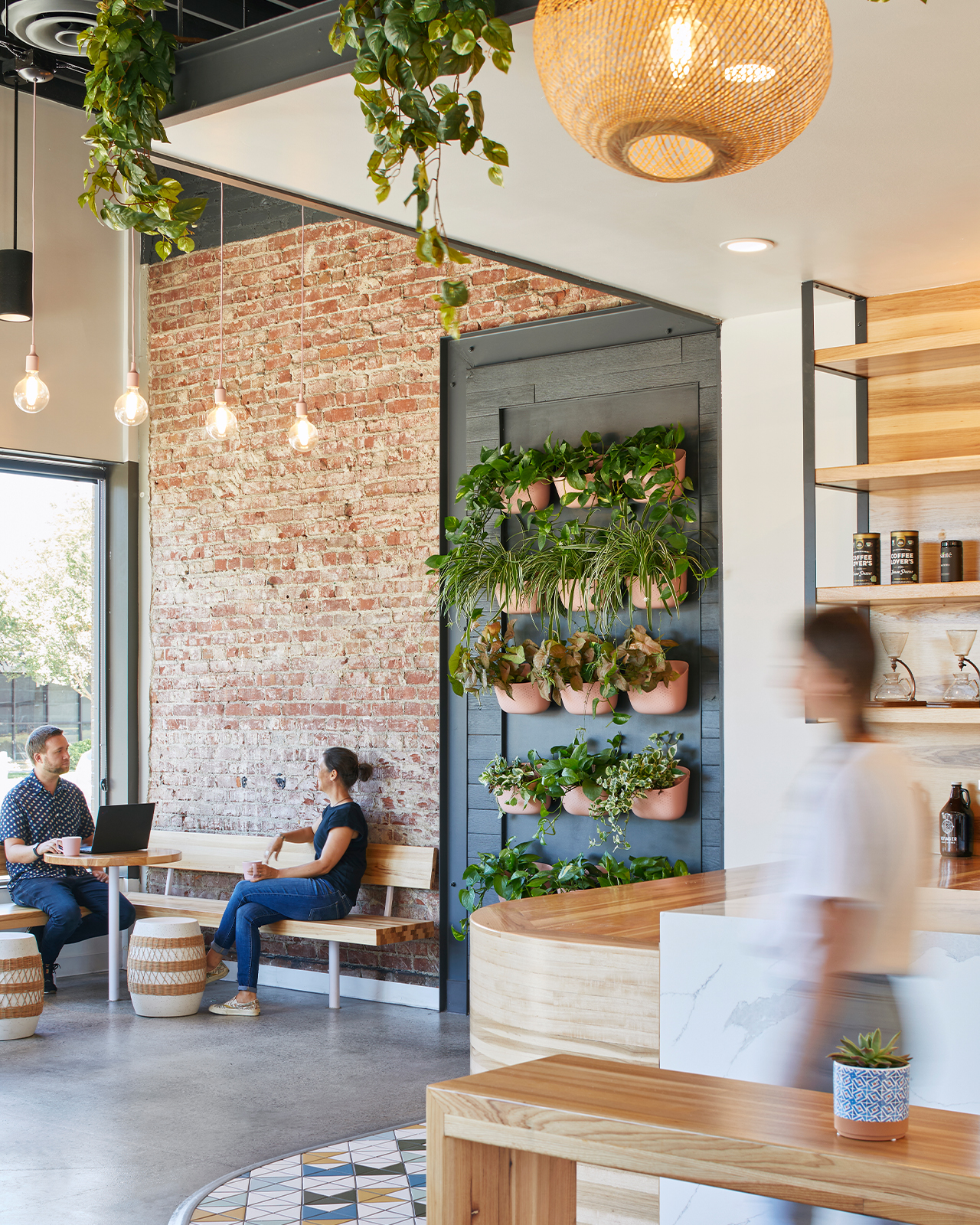
Coffee Shops Are Living Systems
We like to think of cafes less as rooms and more as ecosystems.
People don’t just enter, order, and leave. They move. They pause. They drift. They linger. They change their minds. They reorient themselves around light, noise, comfort, privacy, and social energy.
A coffee house isn’t a single moment. It’s a sequence of moments.
And each of those moments carries a different emotional need.
Some guests want stimulation. Others want calm. Some want connection. Others want anonymity. Some want to be seen. Others want to disappear.
The real challenge of hospitality design isn’t picking a vibe. It’s making space for all of them.
Designing for Contrast, Not Consistency
One of the most common misconceptions about coffee house design is that everything needs to match. One aesthetic, one rhythm, one mood.
In reality, the best cafes thrive on contrast.
Quiet corners and open tables. Quick service and long stays. Clean workflow and layered texture. Moments of focus and moments of pause.
These allow different types of people to coexist without friction.
When we design a coffee house, we’re not just arranging furniture. We’re choreographing experience.
Featured Project
Voyager Craft Coffee: The Original
📍Santa Clara, CA
Voyager Craft Coffee’s first café was reimagined to better serve a busy Silicon Valley crowd. Designed with travel as the guiding theme and coffee at the heart of the experience, the space was adapted to improve capacity and flow while maximizing usability. Anchored by a central coffee bar, the layout unfolds into a series of corners and pockets that support everything from solo work sessions to social meetups, seated pauses to quick stand and sip moments.
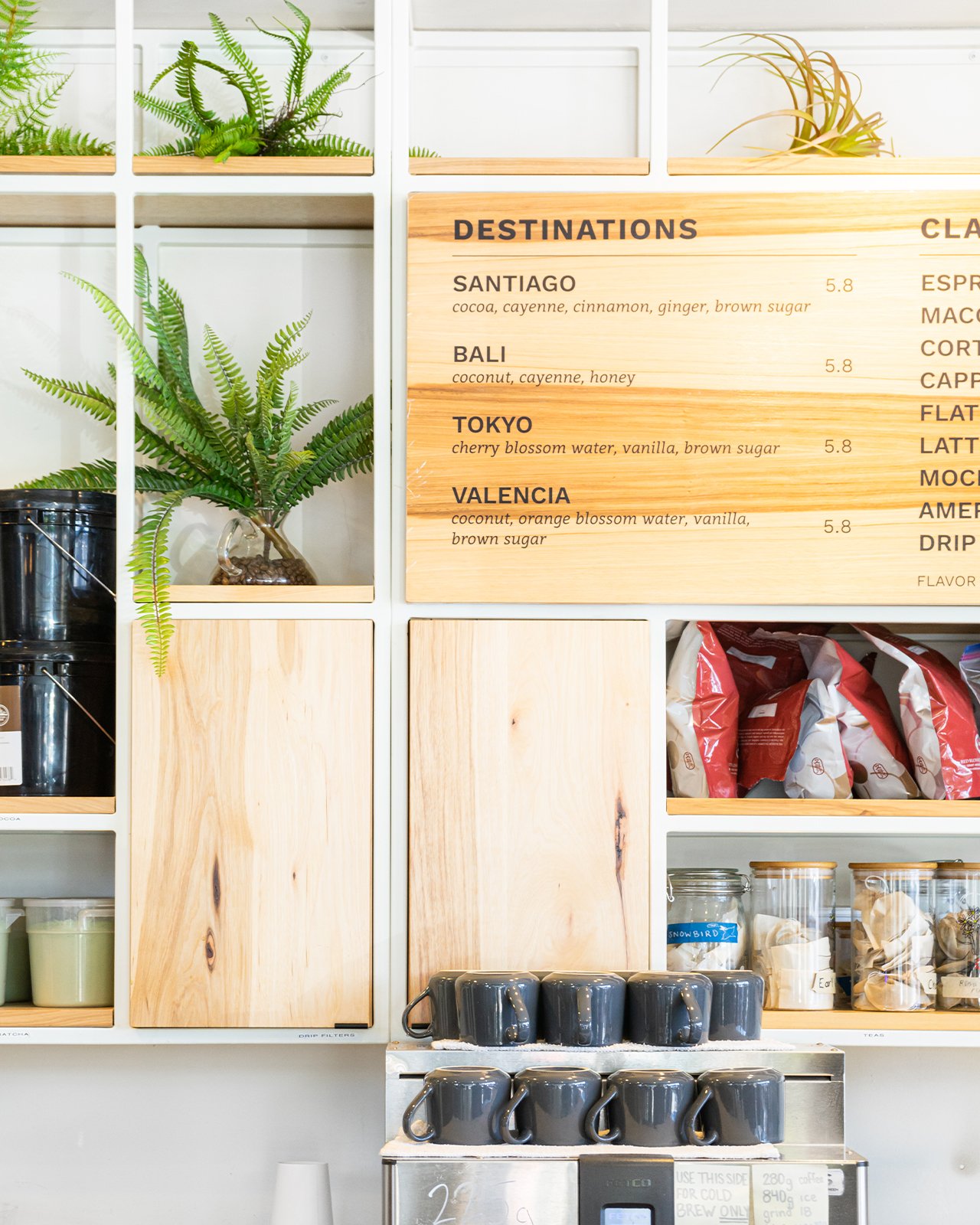
Meet the Cast
Every cafe has its regulars. Some you recognize immediately. Others you only notice when you start paying attention to how people move through space.
Here are a few of the archetypes we often design for.
The Remote Worker

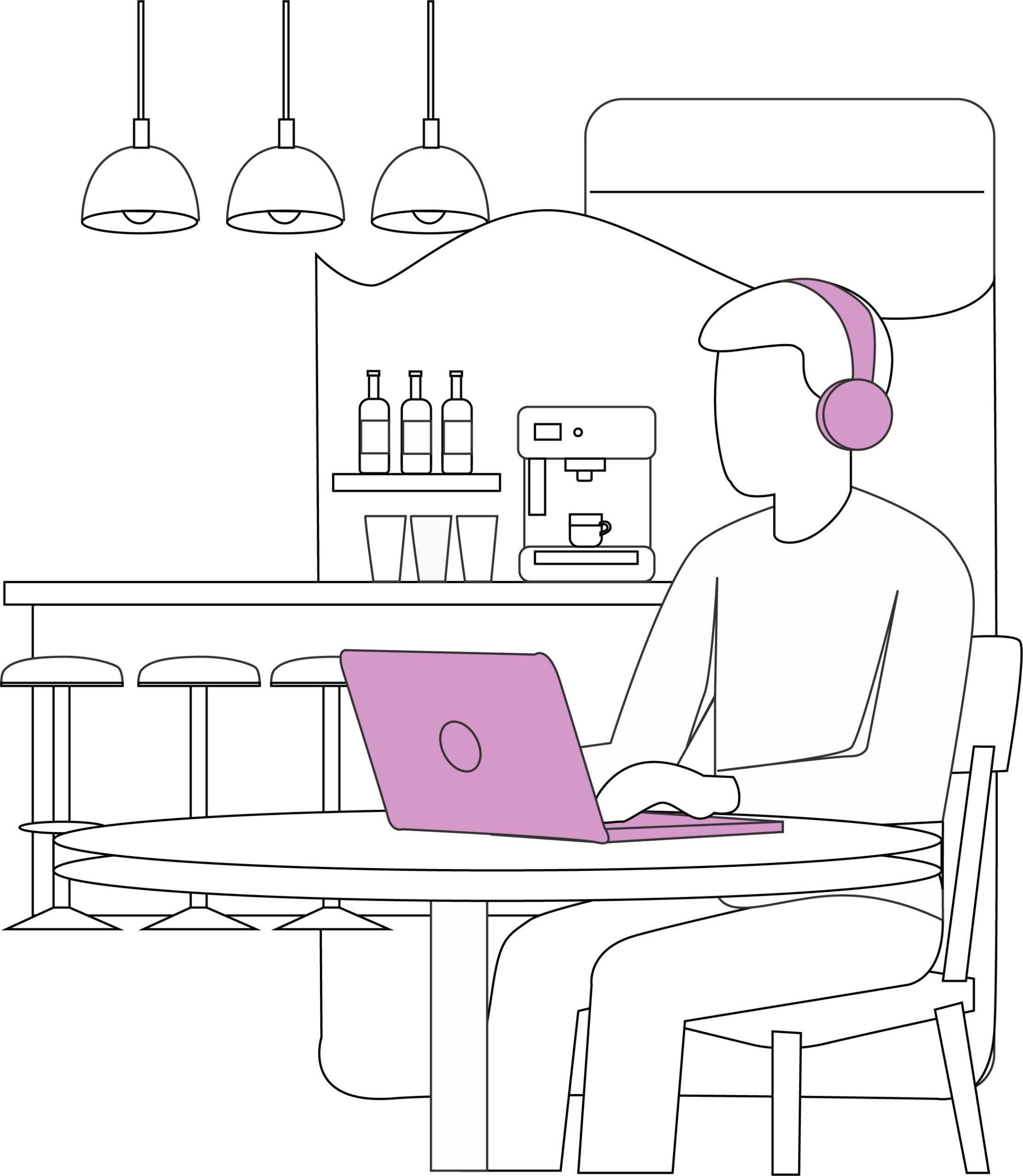
They need plugs. They seem like they are bolted to their chairs. And they stay all day, heads buried in their laptops.
They’re probably managing 12 different screens and two oat lattes.
This guest needs ergonomic comfort, accessible outlets, visual separation from heavy foot traffic, and enough ambient noise to focus without feeling isolated.
If they’re uncomfortable, they leave. If they feel welcome, they become loyal customers.
We design spaces where workflow meets café flow.
The Coffee Enthusiast
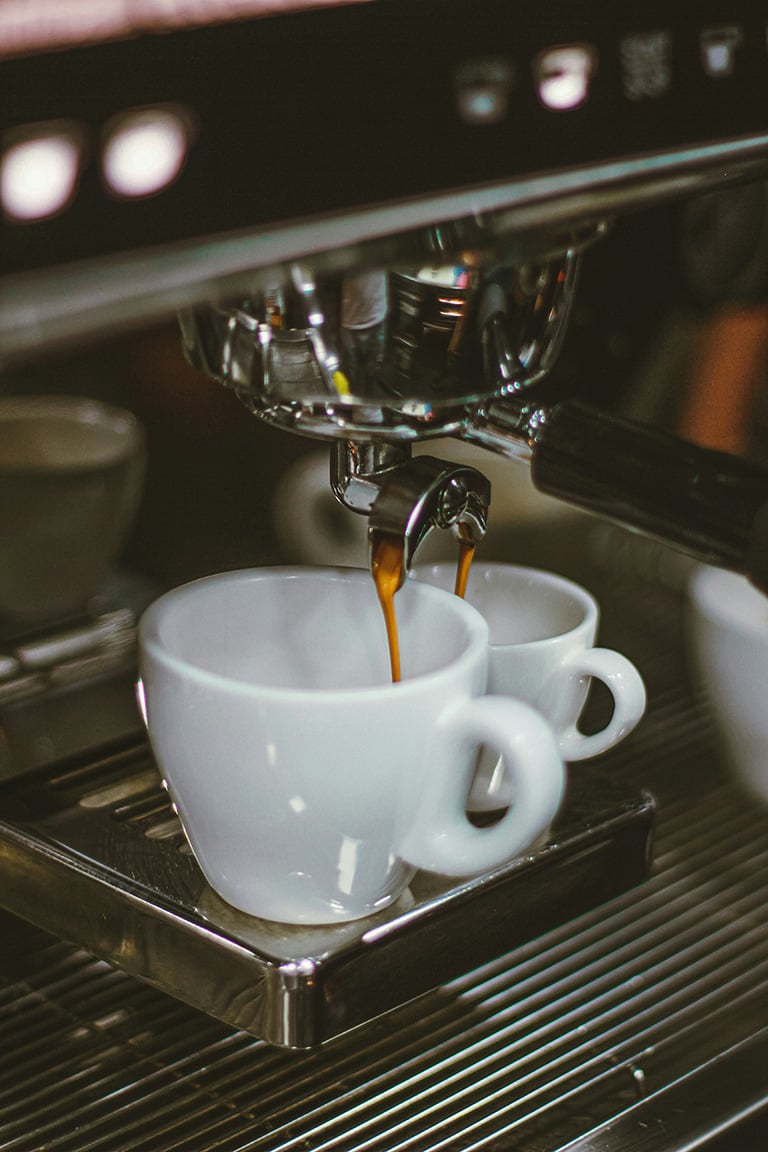
This customer won’t really care about wi-fi. They’re here for ritual. For precision. For that quiet, fleeting moment of focus before the day takes over.
This guest values proximity to the bar, clarity of movement, and visual calm. They don’t want to fight crowds. They don’t want clutter. They want to savor their drink.
We design spaces that respect the ritual.
The Stroller Mafia
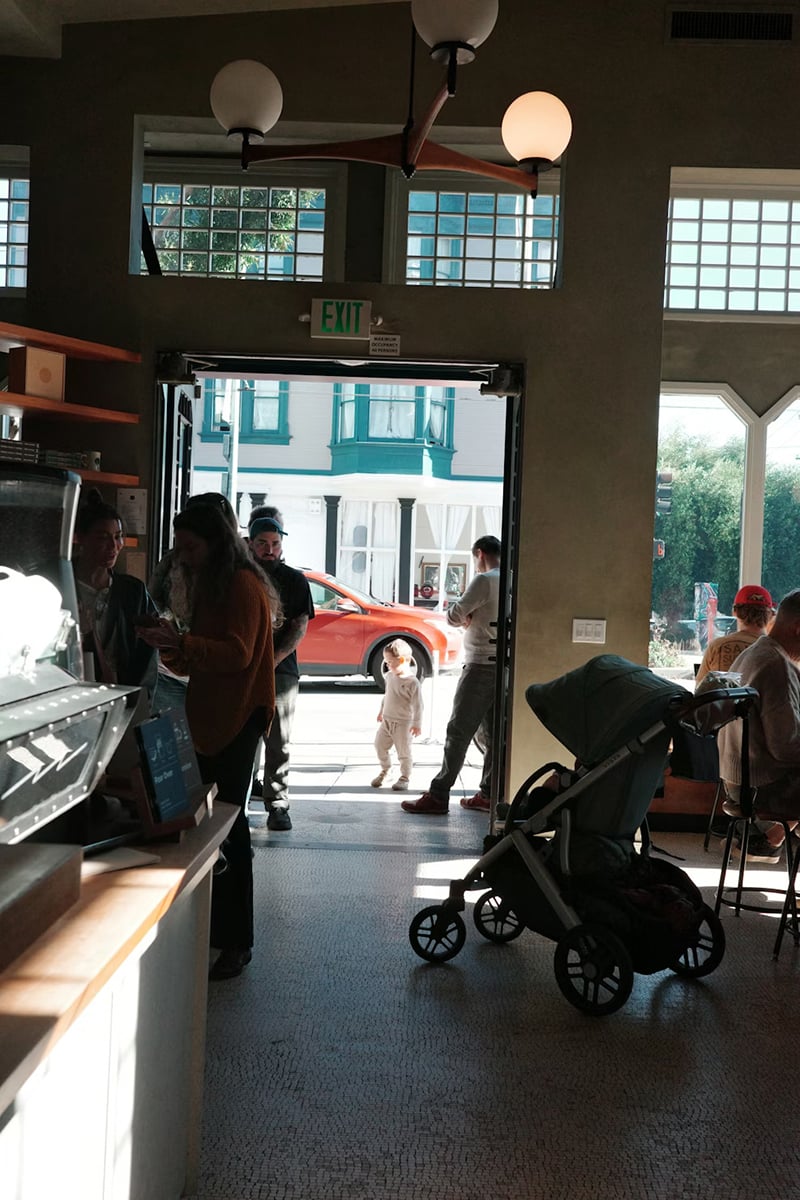
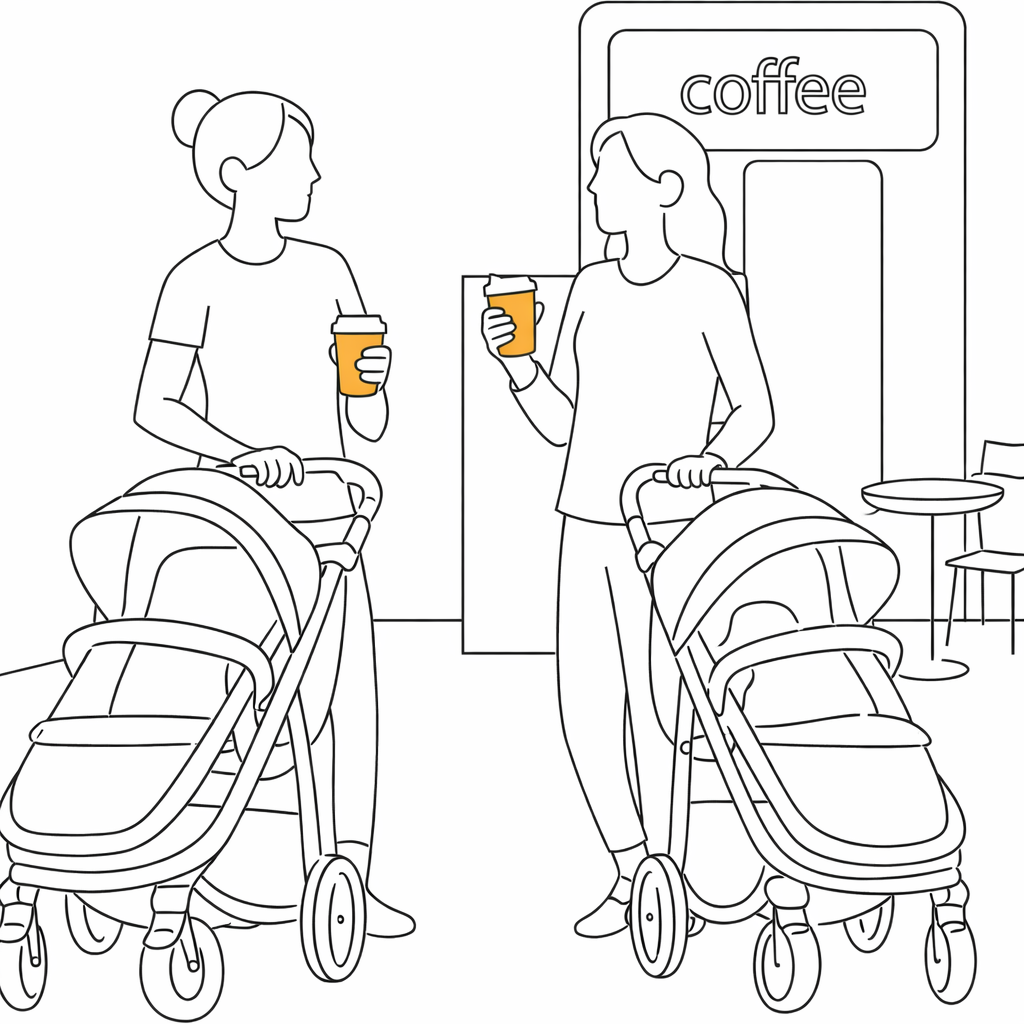
Parents gathering for caffeine, connection, and a moment to reset.
They need room to move. That means they need clear paths and places to park their strollers. They want tables that don’t feel cramped and seating that allows conversation without chaos.
These guests experience space with more physical and emotional friction than most. But when they feel accommodated, they don’t forget it. And keep coming back.
We create space for just that conversation, while keeping in mind the space for the strollers.
The Latte Influencer
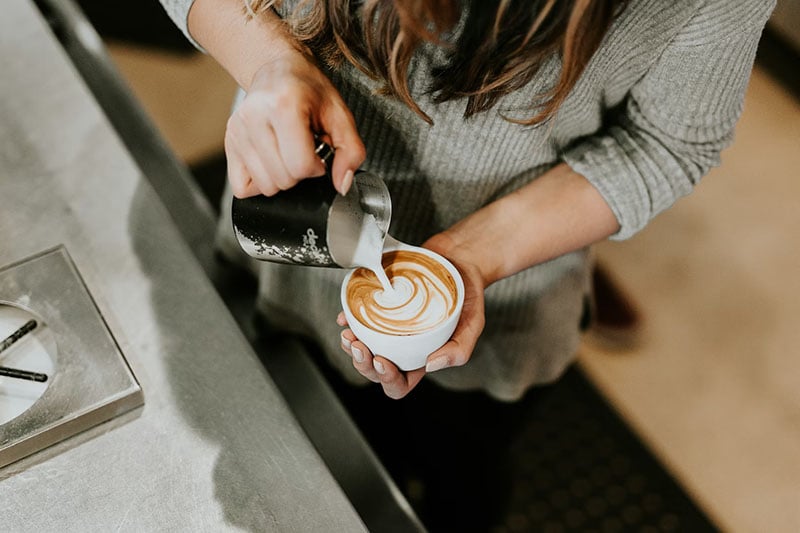
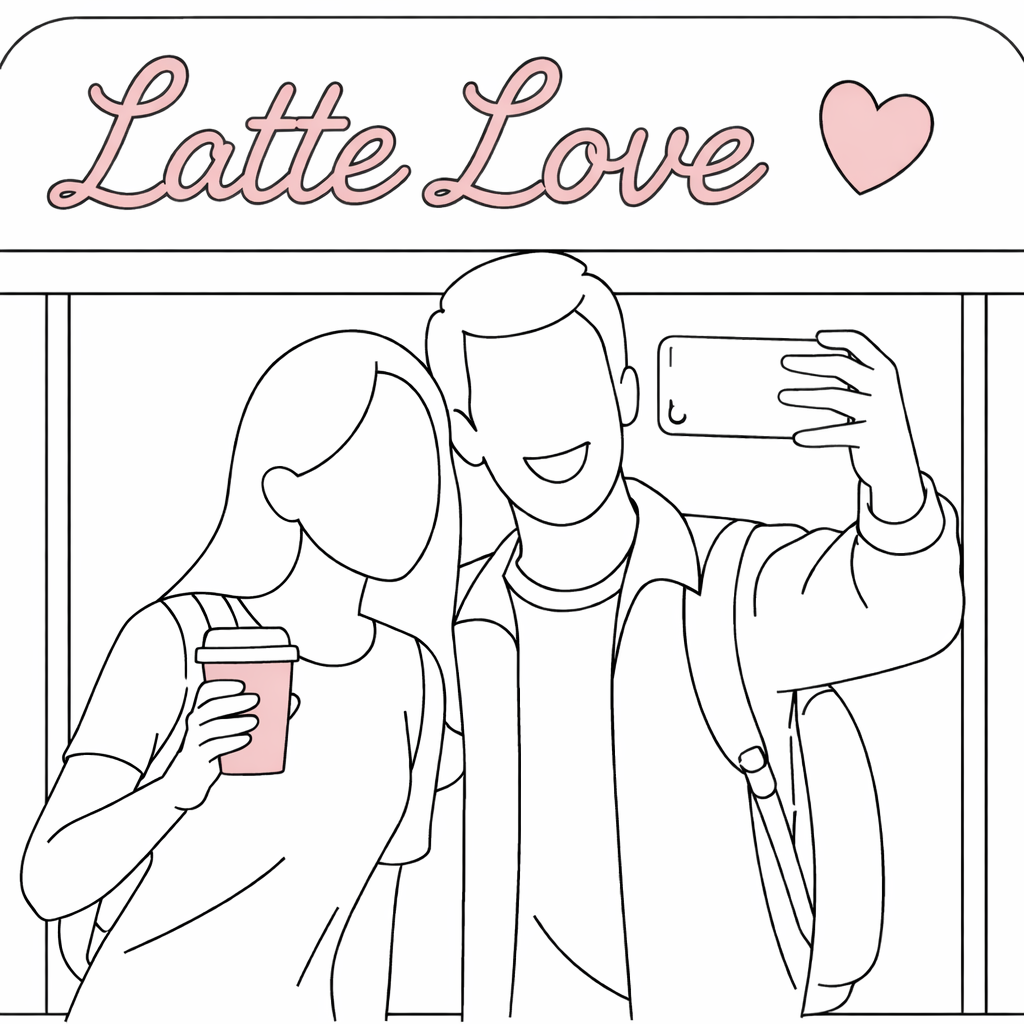
They see the coffee shop through a lens. It’s an experience. Something that feels elevated enough to share on their social feeds.
Lighting, texture, composition, detail. Everything matters.
This guest gravitates toward natural light, layered materials, moments of visual interest, and areas that feel intentional rather than staged.
They’re not shallow. They want an atmosphere.
We design moments worth capturing, without compromising the experience.
The Camper – Brunch Crowd
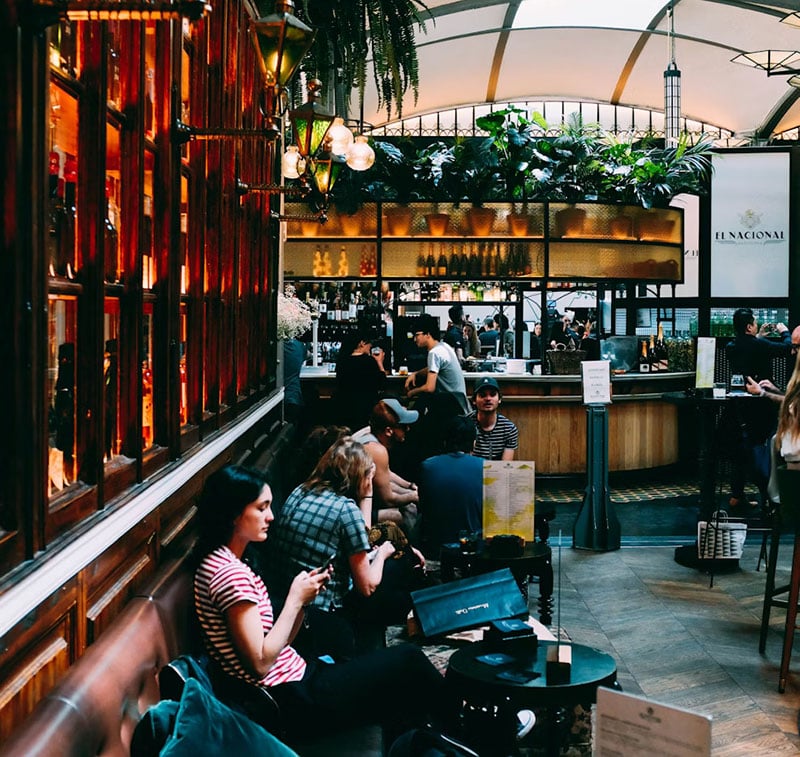
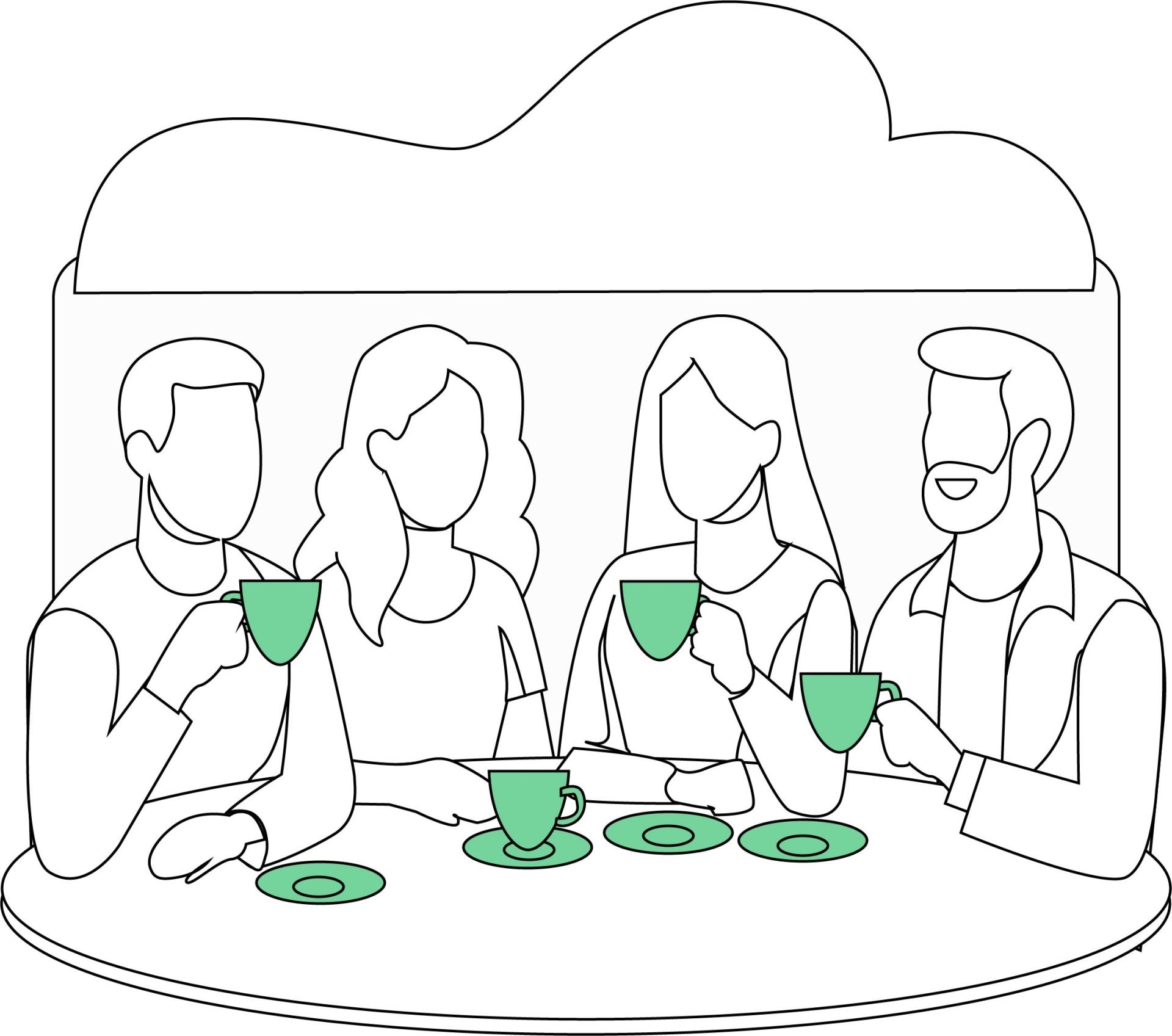
One order. Hours of presence.
They’re here for calm, quiet, and that perfect seat. The one where the light hits just right and no one bumps their chair.
This guest needs comfort, subtle privacy, and spatial cues that say, “it’s okay to stay awhile.”
We balance comfort and flow, so everyone feels welcome, however long they linger – whether they’re there solo for a cozy book sesh or an extended brunch with friends.
What This Looks Like in the Real World
This idea of designing for many moods isn’t theoretical for us. It shows up in nearly every café we design.
At our second Voyager Craft Coffee location, we were thinking about how many different ways people inhabit a café throughout the day. Some guests are in and out. Some settle in for hours. Some arrive alone. Others come in groups that shift and change.
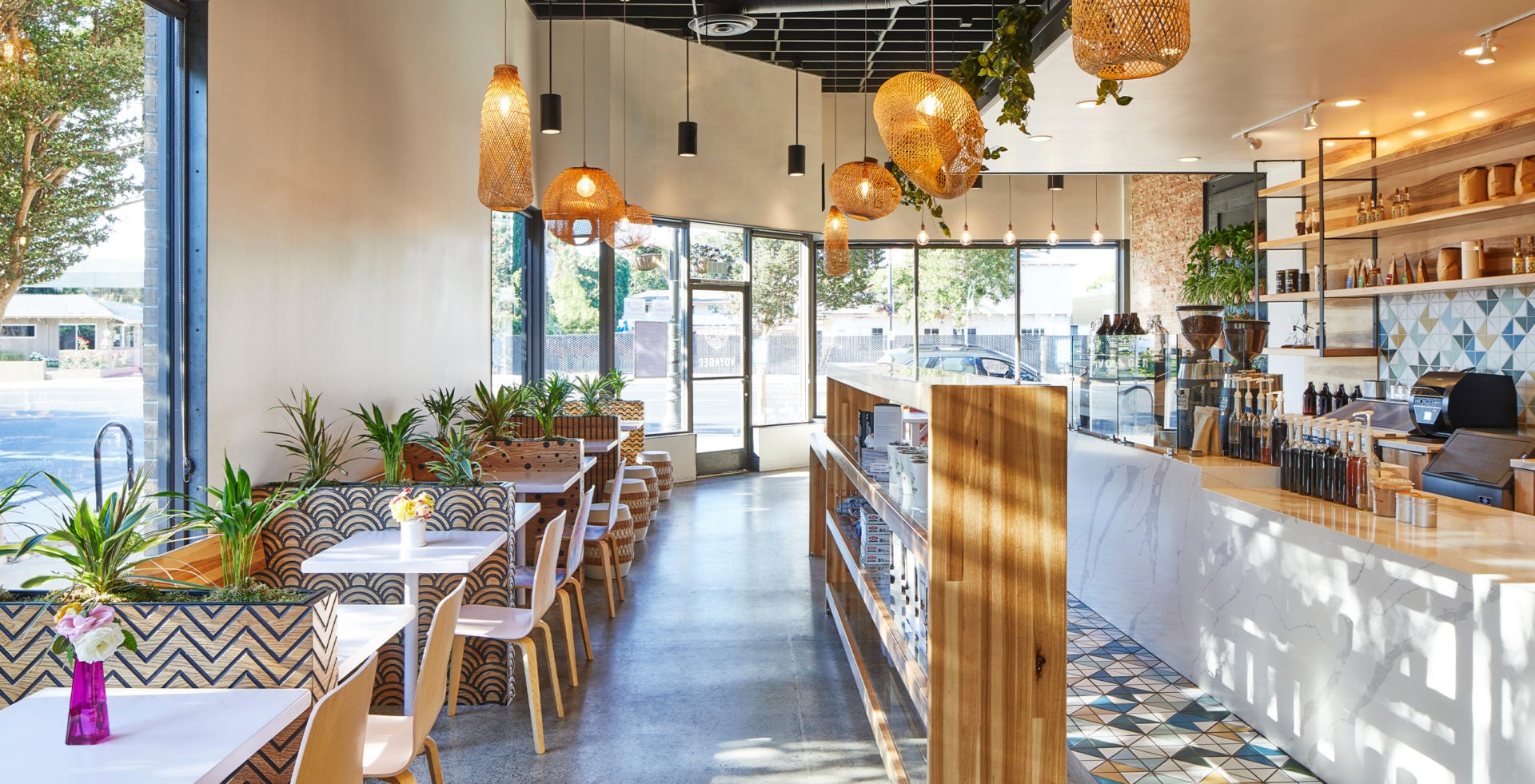
So we organized the space into distinct seating zones – like continents connected by passages of water. Each area supports a different kind of stay, a different rhythm, a different mood.
Some zones encourage quick visits. Others invite longer ones. Some support solo work. Others naturally gather groups. These areas flow into one another without feeling fragmented, allowing people to move through the café intuitively and find the place that fits how they want to be that day.
That flexibility is intentional. It’s what allows a Laptop Maximalist to settle in without disrupting an Espresso Purist’s quiet moment. It gives parents room to maneuver strollers without colliding with someone deep in conversation. It lets the café feel alive without feeling chaotic.
At The Coop, Voyager’s fourth location in Cupertino, the question was slightly different:
How do you design for conversation without making it feel forced?
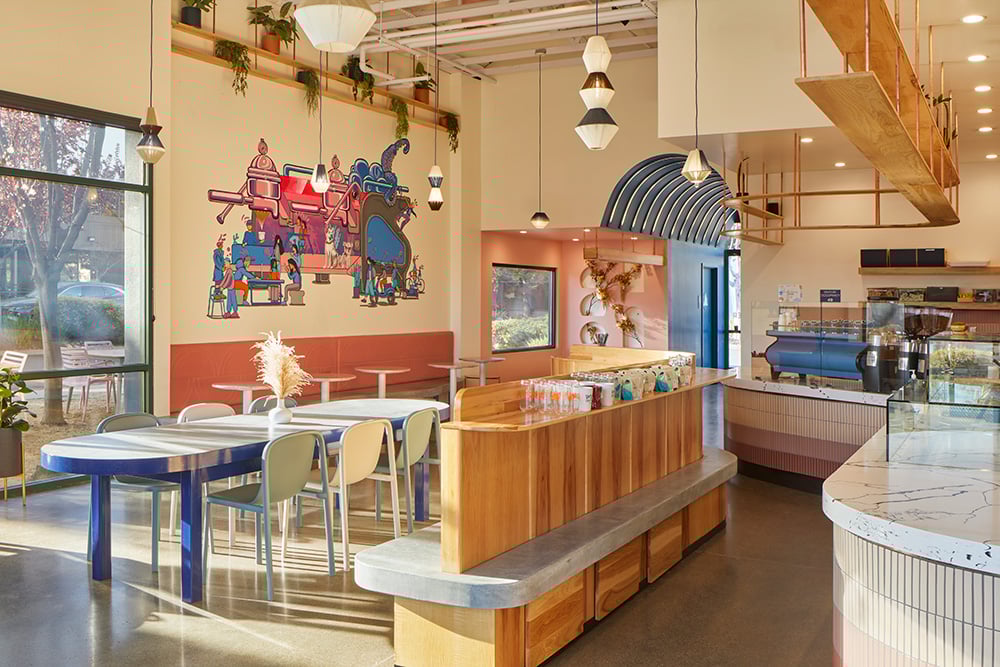
We leaned into communal seating and connected benches that naturally form social hubs. Not loud, performative gathering zones, but places where interaction can happen organically. Friends catching up. Remote workers side by side. Solo guests who still want to feel part of the room.
The space reflects Voyager’s down-to-earth, welcoming ethos, no matter the neighborhood. The design doesn’t dictate behavior. It makes room for it.
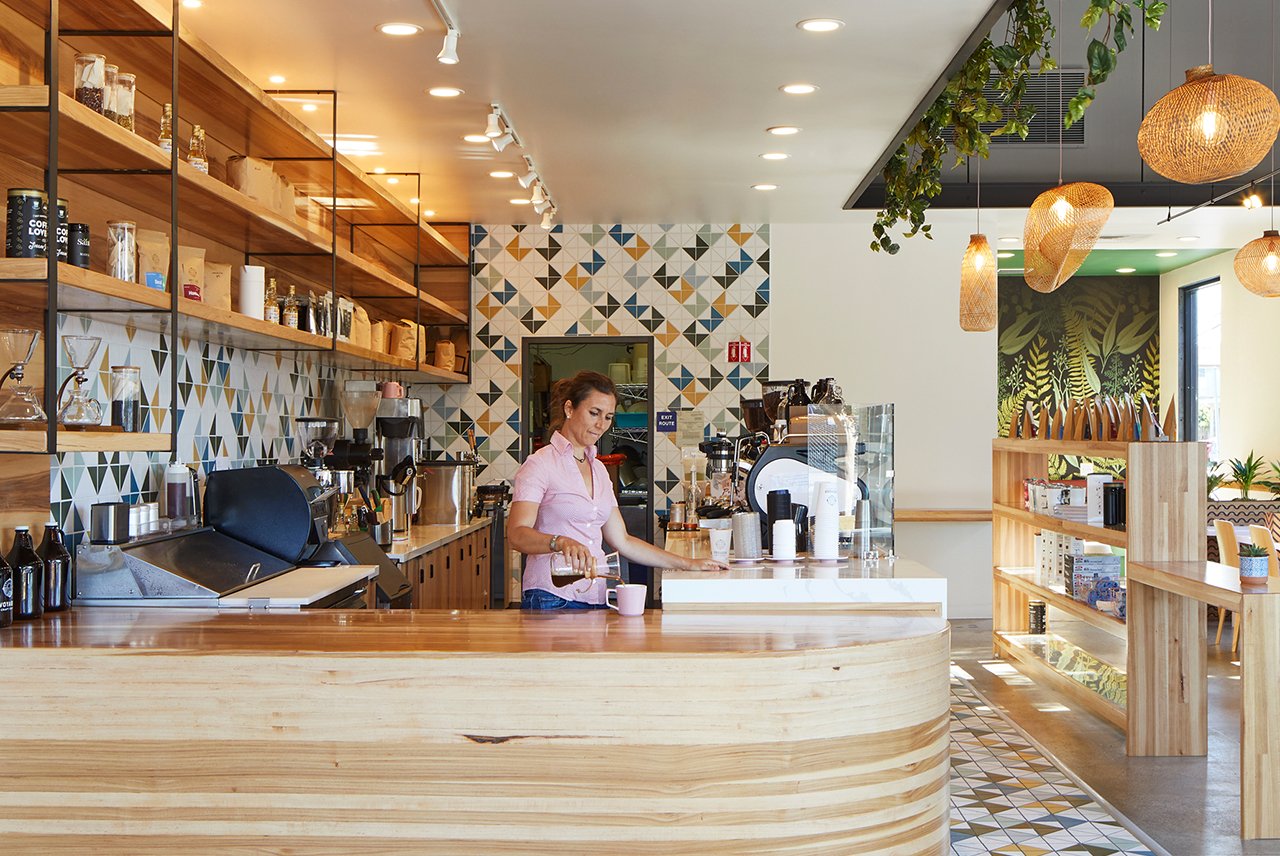
How to Start a Coffee Shop or Cafe
Get our insights in this massive guide on starting & designing a café; one that stands out from the crowd – rooted in purpose, shaped by story, & built for connection.
Read more in our comprehensive guide on
How to Start a Coffee Shop or Cafe
The Architecture of Choice
One of our core beliefs is that good coffee house design doesn’t tell people what to do. It gives them options.
Want to sit alone? There’s a place for that.
Want to gather with friends? There’s a place for that.
Want to work quietly? There’s a place for that.
Want to watch the baristas and feel the rhythm of the space? There’s a place for that.
When a space offers choice, it becomes emotionally generous.
And generosity is what people remember.
Designing for Movement, Not Just Stillness
Most people think about seating first. We think about movement.
- Where do people enter?
- Where do they hesitate?
- Where do they naturally slow down?
- Where do they accidentally clog traffic?
Movement patterns tell us more about a space than any floor plan ever could.
Good hospitality design anticipates behavior before it happens. It doesn’t wait for friction to appear.
Designing for the Full Cast
At Studio BANAA, we don’t design for a “typical” guest because they don’t exist. We design for contrasts, overlaps, intersections, and coexistence.
We design for quiet and noise. For pause and movement. For ritual and spontaneity.
For introverts and extroverts. For people who stay and people who pass through.
That’s what makes hospitality design interesting. That’s what makes it human.
And that’s what turns a coffee house into a place where people return again and again. Not just for coffee, but for how it makes them feel.
Read more about our architecture & design services for coffee shops and view featured coffee shop design projects in our portfolio.
Keep in Touch?
Subscribe to our mailing list & get receive infrequent emails.